The product is planned, not live. It builds on the genetics and blood components that are being evaluated today.
Nutrigenomics
Nutrigenomics,
nutrition and your genes.
We plan to bring personalized nutrition to the supplement industry: a model that reads a person’s genes and blood tests together and recommends from a brand’s own catalog, on that brand’s own website.
Built on the same genetics research.
Nutrigenomics is a planned application of our specialized genetics and biological AI model. This page explains how it would work for customers and for supplement companies.
Nothing the model outputs should be used for diagnosis or treatment.
How it would work.
It would work as a chat assistant, the kind of conversation people already know from tools like ChatGPT, built into a supplement brand’s website. A customer shares the health information they already have and asks what they need. The model reads it and recommends from that brand’s products, with a reason for each one.
Step 1
Open the chat on the brand’s site
A customer opens the chat assistant on a supplement company’s website. It carries that company’s brand and sells only that company’s products.
Step 2
Share what you already have
They attach a raw DNA file, a recent blood test, or both, and say in their own words what they want help with.
Step 3
The model reads it together
Genes, blood values and personal details are read in the context of each other, not one at a time.
Step 4
It answers in conversation
It recommends products from the company’s catalog, each with the reason it was chosen, says when something is not needed, and takes follow-up questions.
Step 5
Re-test and adjust
A later blood test shows what changed. The customer comes back to the same chat and the recommendations update.
What it would look like
Ask it the way you would ask a person.
The customer talks to it in plain language, attaches files, and can ask why, ask for alternatives, or ask whether they need anything at all.
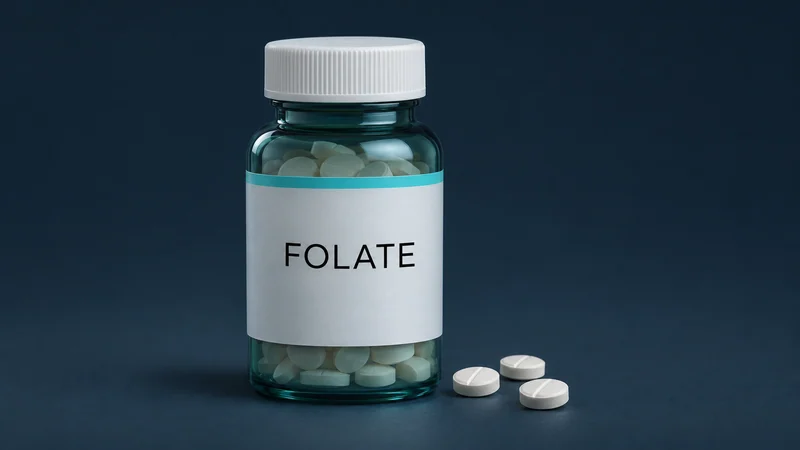
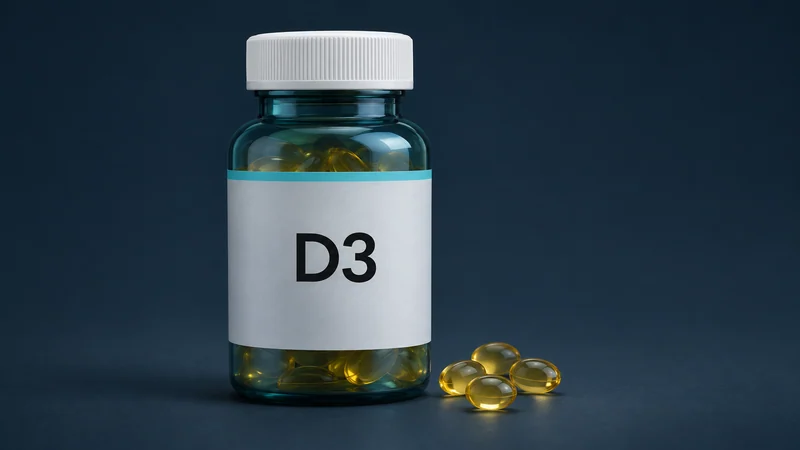
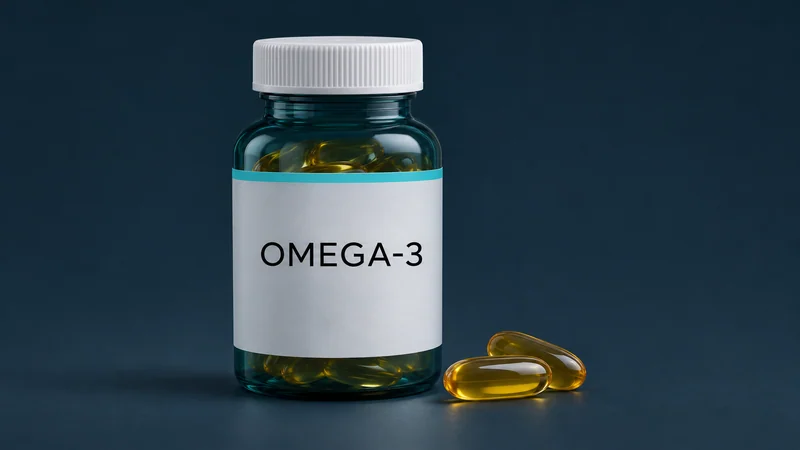
Why context changes the answer.
The same supplement can be useful for one person and pointless for another. Which one you are depends on your genes, your blood values and your diet together, which is exactly what the model is built to read in context.
Linking genes to nutrients
Asked which genes are tied to nutrients and blood tests, on genes it never saw in training.
| Method | AUC |
|---|---|
| Simplest rule | 0.631 |
| GENODYNLABS | 0.864 |
AUC on a held-out chromosome, public research data: 0.5 is chance, 1.0 is perfect. Company-reported development result, not clinical validation.
Where genes and diet act together
How much of each nutrient’s blood level is explained from DNA in a simulated population, by a standard polygenic score and by the model.
- Polygenic score
- GENODYNLABS
- Highest possible
| Test | Polygenic score | GENODYNLABS | Highest possible |
|---|---|---|---|
| Folate | 0.251 | 0.404 | 0.408 |
| Ferritin | 0.420 | 0.546 | 0.554 |
| Omega-3 index | 0.200 | 0.286 | 0.291 |
| Vitamin D | 0.413 | 0.486 | 0.490 |
| Vitamin B12 | 0.339 | 0.398 | 0.403 |
| Iron | 0.121 | 0.180 | 0.192 |
R² on held-out simulated people, where gene-by-diet effects are planted and the truth is known. It shows the method can find such effects when they exist. It is not evidence of accuracy in real people.
For supplement companies.
We plan to work with supplement companies under a contract or partnership. The model plugs into the company’s own website through our API and recommends from its own catalog.
It plugs into your site
The chat assistant sits inside your existing store. Customers never leave your website or your brand.
Your catalog only
Recommendations come from the products you sell. You decide what is in scope.
No lab of your own
Customers bring results they already have, so you need no testing kits, clinics or scientists to start.
A reason with every product
Each recommendation shows the evidence behind it, which gives customers a reason to trust it and to come back.
The business model
API usage, plus a royalty on every product the model sells.
The contract with a supplement company would cover two things: its use of our API, and a royalty on each recommended product sold through the assistant. The royalty ties part of our income to recommendations that customers act on.
- Part 1API usage
The assistant on the company’s site runs on our model through our API. The contract covers that usage.
- Part 2A royalty on each sale
When a customer buys a product the model recommended, GENODYNLABS earns a royalty on that sale.
Because part of what we earn would come per sale, the tool is designed to show the reason for every recommendation and to say when a product is not needed. A recommendation people cannot check is not worth trusting.
What it could change for the industry.
Most supplements are sold the same way to everyone. Matching products to measured biology, on any brand’s website, would change how they are chosen, sold and judged.
TodayWith the model
The same multivitamin for everyoneProducts matched to one person’s genes and blood values
A quiz about lifestyleMeasured biology the customer already owns
“Take this”“Take this, and here is why”
More products means more salesTold when a product is not needed
No way to know if it workedA later blood test closes the loop
Personalisation needs a lab and a science teamAny brand can add it to its store
Most adults already take supplements
of US adults use dietary supplements
- Median monthly spend per user
- $50
- Of users say supplements are essential to their health
- 91%
- Of users are loyal to their chosen brands
- 71%
Source: CRN 2024 Consumer Survey on Dietary Supplements (Ipsos, 3,194 US adults)
A large market, barely personalised
Global market size today and as forecast, in billions of US dollars, drawn to the same scale.
- 2024
- Forecast
| Market | 2024 | Forecast | Forecast year | Source |
|---|---|---|---|---|
| All dietary supplements | 192.65 | 414.52 | 2033 | Grand View Research |
| Personalised nutrition | 13.88 | 30.94 | 2030 | MarketsandMarkets |
Estimates from two different research firms, so the two rows are not directly comparable. Sources: Grand View Research , MarketsandMarkets . These are industry sizes, not GENODYNLABS revenue.
This page describes a planned product. It is not available yet, no partner is live, and nutrition recommendations are not part of the current model. Supplements are not medicines: nothing here is a diagnosis, treatment or medical advice. How uploaded health data is handled would be agreed with each partner and shown to the customer before anything is uploaded.